The Trusted Advisor: 20th Anniversary Edition

The Trusted Advisor: 20th Anniversary Edition

similar products:

comments:

jb4647 posted on r/smallbusiness1w

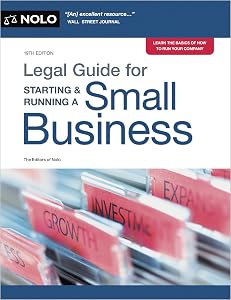
I’d start with a CPA or EA who understands online businesses and digital products. The important number is net profit, not $50,000 in lifetime revenue. Have them review quarterly estimated taxes, self-employment tax, state sales-tax obligations, and whether your selling platform is already collecting and remitting sales tax. I would not elect S corporation treatment just because someone online says you crossed a magic revenue threshold. It only makes sense when the tax savings on consistent profit exceed the added payroll, accounting, and compliance costs. I’d also make sure the business was actually transferred into the LLC. Since the products existed before the LLC, that could mean documenting the LLC’s ownership of the copyrights and other intellectual property, updating payment processors and marketplace accounts, and changing customer-facing contracts and tax information to the LLC. Forming an LLC is only the first step. Nolo’s Guide to Single-Member LLCs by David M. Steingold is particularly useful here. It explains operating agreements, maintaining separate finances, liability concerns, annual filings, written resolutions, and the records that help establish that the LLC is genuinely separate from you. I’d have a small-business attorney review the website terms, privacy policy, refund policy, product license, copyright language, and any disclaimers relating to what the products promise. Legal Guide for Starting & Running a Small Business by the Editors of Nolo has chapters specifically covering website terms and privacy policies, customer transactions, insurance, contracts, and branding. For a digital-product business, those issues are probably more immediate than endlessly tinkering with the operating agreement. Insurance depends on what the products do and what could happen if someone relies on them. A generic digital download may present little traditional premises risk, while financial, health, legal, technical, or instructional material could create professional or media liability exposure. Cyber coverage may also matter if you retain customer data. I’d describe the business honestly to an independent commercial insurance broker and get recommendations rather than buying a generic policy online. Working for Yourself by Stephen Fishman is a good general operating manual because it connects licenses, insurance, estimated taxes, bookkeeping, intellectual property, and written customer agreements. Deduct It! Lower Your Small Business Taxes, also by Fishman, goes deeper on deductions and the documentation needed to support them. One of its recurring points is that an expense must be ordinary, necessary, reasonable, and properly documented. I’d establish a receipt-retention system now instead of trying to reconstruct everything during an audit. I wouldn’t let compliance work consume all the attention. The Trusted Advisor by David H. Maister describes trust as a combination of credibility, reliability, and intimacy, reduced by self-orientation. Applied here, that means accurate product descriptions, dependable delivery, responsive support, and refund policies that do not feel designed solely to protect the seller. Those habits will probably do more for the next $50,000 than another piece of formation paperwork.

jb4647 posted on r/smallbusiness1w

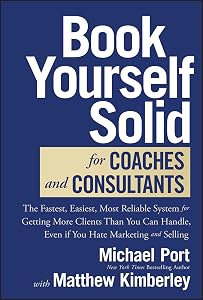
“Small business owners” is still far too broad. I’d choose a specific type of owner with a specific, expensive problem, then start with people who already know me or can introduce me. Twenty genuine conversations will probably teach me more than hundreds of generic cold emails or texts. Book Yourself Solid for Coaches and Consultants by Michael Port and Matthew Kimberley is a practical place to start. Its “Red Velvet Rope” idea helps define the clients you actually want, then it walks through networking, referrals, direct outreach, speaking, writing, and web marketing. The important point is that promotion only creates awareness. What you do after someone notices you is what wins the business. I’d also read The Trusted Advisor by David Maister, Charles Green, and Robert Galford. Consulting is largely a trust business. Their trust equation focuses on credibility, reliability, intimacy, and keeping your own self-interest from dominating the conversation. That means listening before prescribing, making small commitments, delivering exactly when promised, and showing that you care more about solving the client’s problem than closing a sale. That is what eventually produces referrals.

The Trusted Advisor: 20th Anniversary Edition | eaves-shop