comments:
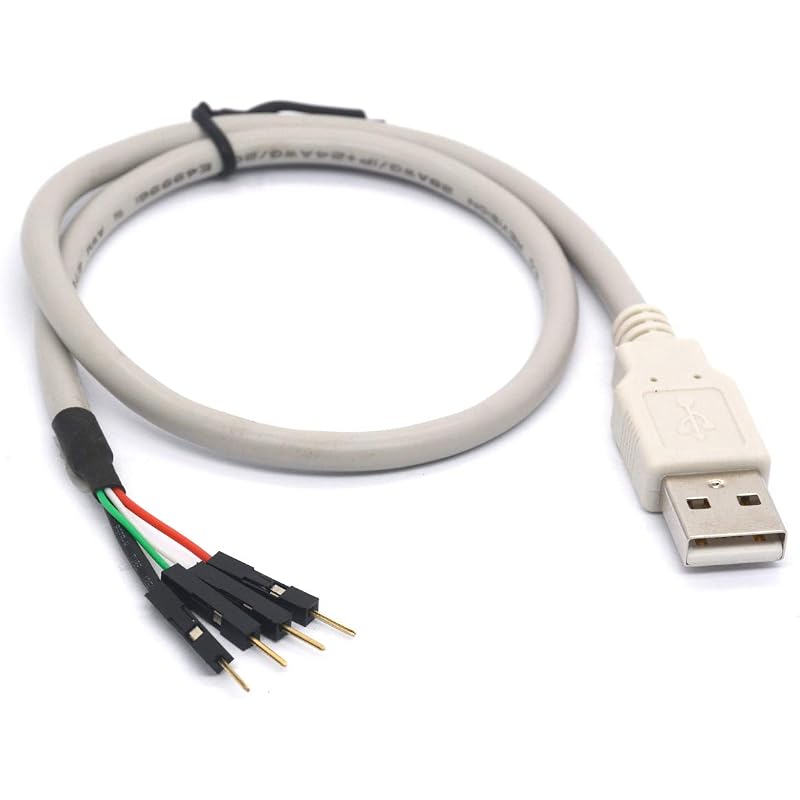
It's a great project. James has done a really super job and while things might progress at lightening speed sometimes, it's fairly solid (though sometimes I do wish for a feature frozen solid firmware to revert to). I do have a Lenovo Tab One running HA Dashie but it's a totally different animal. There's something really nice about the simplicity here and the set-up is dead easy. Key for me: I went with the all metal case as I've never really been happy with the 3d case prints. Just feel off, even with weight inside. I used magnets to mount the screens for easy removal and the usb to headers 5v and gnd only) so I don't have any external USB-C cables from the sides, just the punched out hole in the back. I do have a 7" in a 3D printed case but two 4" allow for some more interesting things (like cover art on one, etc). That weighty stainless steel case makes a lot of difference (and I went with the silver but the black would look good). Wasn't my idea. If I could remember where, credit is due. $16 for the case - https://www.aliexpress.us/w/wholesale-Laboratory-Socket-Bottom-Box-Test-Bench-Booth-86-O.html?spm=a2g0o.detail.search.0 $4 for the magnets (missing one) - KJ Magnetics. 3 flat N42 glued (one in each of the top outside corners and the 3rd spans the inside corners on the bottom) . Little round N42 glued in the two corners. 2 magnets per board. Upper outside, lower inside. $44 for the two 4" screens - per the James link The USB->headers cables at $8 each are the absolute annoying part as I'm sure I can make these or find them for cheaper but I was striking out an impatient. What I got is here at Amazon:. I will get a y splitter and stuff the cords inside so there only one single USB out the back. Unnecessary, I know, but I wanted as clean as possible. https://www.amazon.com/dp/B0925H39R3?ref=ppx_yo2ov_dt_b_fed_asin_title And yeah, the f is cut off on the temps card but a bunch of bugs abound. Hard to complain considering how simple and easy it is. I have the screensaver cut to a clock based on a bunch of HA logics into a sensor (so multiple things have to be true). Thanks, James. Really awesome project