comments:
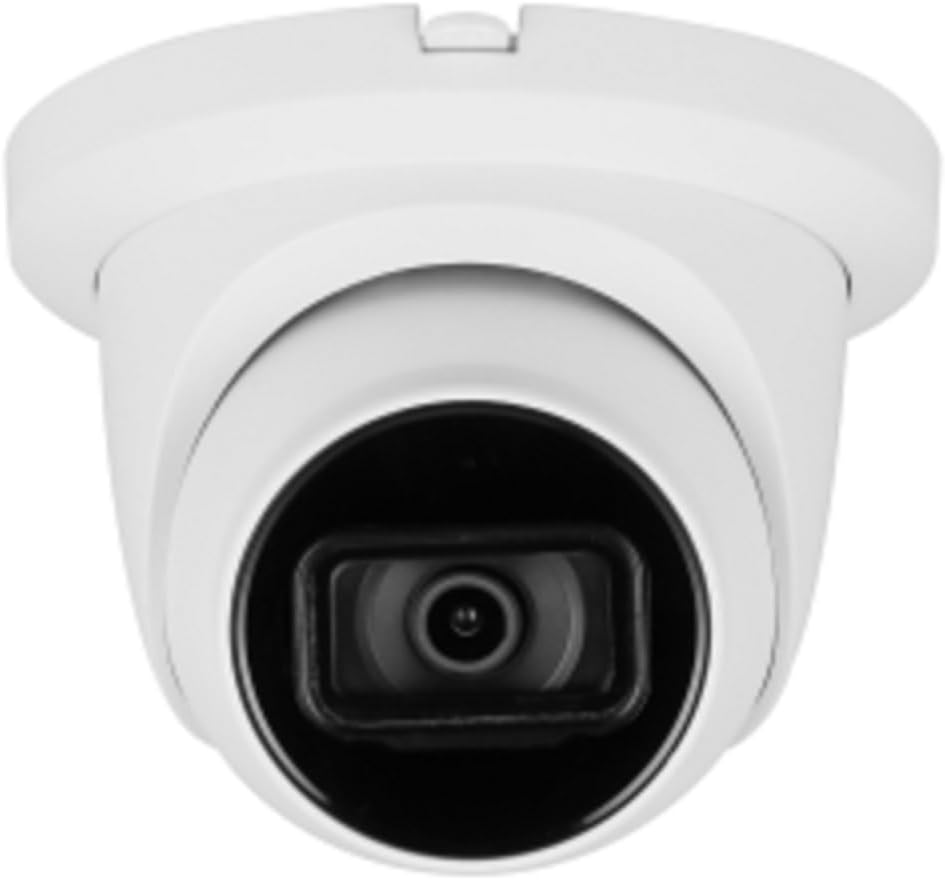
I tend to look at specs before name brands. One of the most important specs of a CCTV is the relationship between the image sensor size and the resolution the camera is running. Ideally you want the largest sensor size you can afford, with the smallest amount of resolution that can work in your situation. This ensures the individual pixel size is as large as possible. Why is this important? Because the larger each individual pixel is, the more light it can absorb. This has a direct relationship on the camera's ability to provide "identification level" footage of a moving subject in low/no light situations. (What I mean is footage of a moving subject that isn't blurry or ghosting). Here are the guidelines that I try to follow..... If I want to run a 4k camera, it needs a sensor at least 1/1.2" in size. If I can run 2k resolution, that image sensor size can drop to 1/1.8" and still achieve the same low/no light performance. If I can run HD resolution (1080p), the image sensor size can drop to 1/2.8". Obviously you can run those resolutions on a larger sensor (1080 on a 1/1.8" sensor for example), but you should never run those resolutions on a smaller sensor (4k on a 1/1.8" or even worse a 1/2.8" sensor size for example). All camera manufactures will offer models that don't match these "guidelines". So it is important to look at the specs, not the name brand. I use multiple vendors in my home, but I use a lot of Dahua cameras because they offer plenty of products that meet the "guidelines" at pretty reasonable prices. As with ANY camera system, for security reasons you'll want to block the cameras from accessing the internet (or even the rest of your network). This means ultimately there is no difference in security using "Chinese cameras" than any other brand of camera. If you want some generic recommendations (made without knowing anything specific about the church's actual needs) - a decent 2k camera is the Duhua "5442" series of cameras. There are lots of different models depending on what form factor and len combo you need. Some lenses are fixed, others have variable focal lengths. The are often rebranded and sold by other vendors as well - such as the IPC-T54IR sold by EmpireTech, but they are the same cameras. https://www.amazon.com/Loryta-IPC-T5442TM-AS-Starlight-Eyeball-Network/dp/B07S21FVC7/ref=ast_sto_dp_puis?th=1 PS - here is an example of low/no light footage that looks great when everything is static, but as soon as there is a moving subject in the frame, it is nothing but a blurry/ghosting mess. This is clearly not acceptable. This happens because the camera is running too high a resolution on a sensor that is too small. If you notice, the only camera that stood a change of capturing the subject was the Unify camera (unknown model, but I'm guessing a "Pro" model because it's the only Unify offerings that meet the "guidelines") https://youtu.be/8B--zjf-3vk?si=E32vfgtB9oSOad-O&t=65