comments:
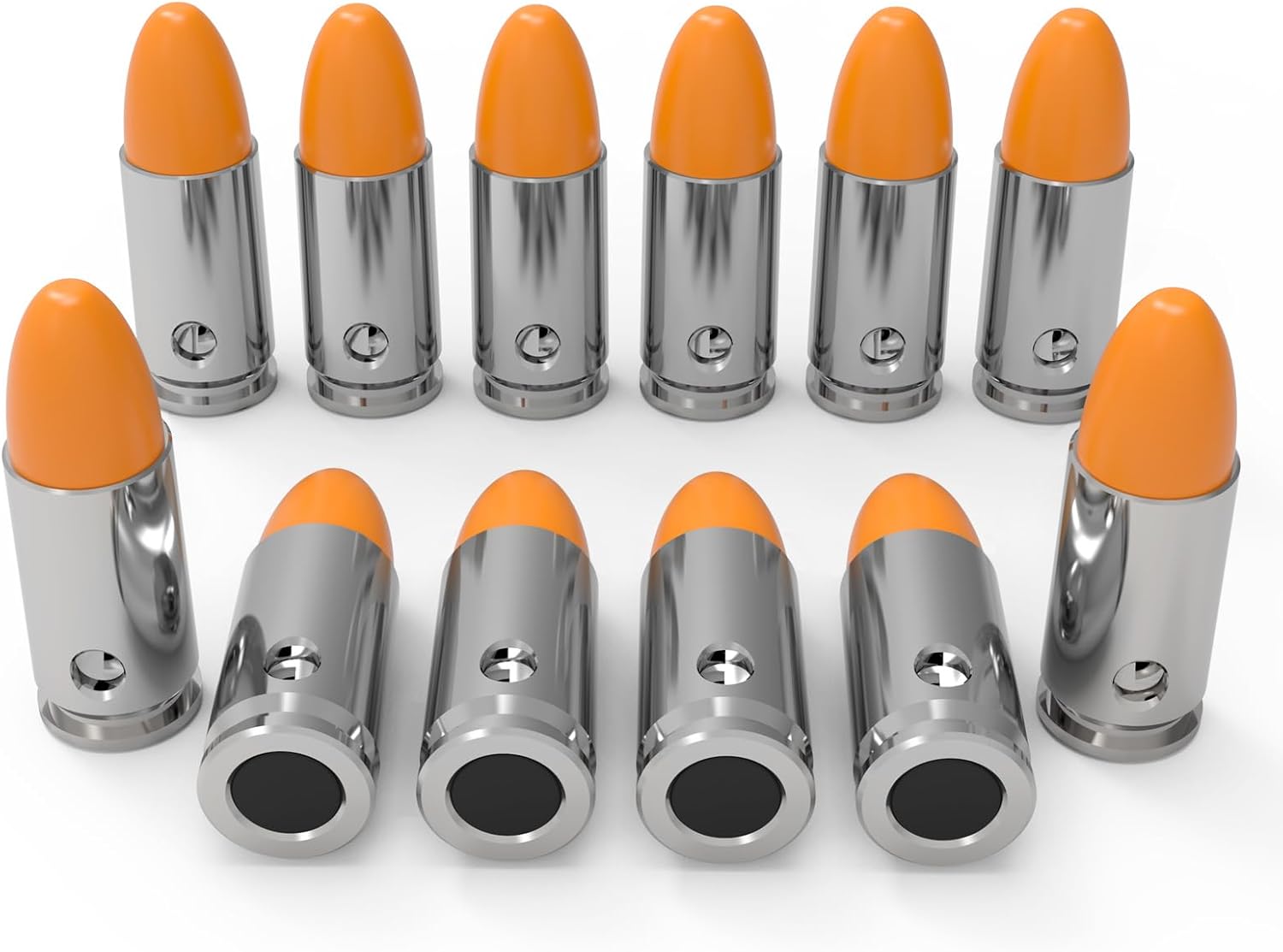
I have 4 Tisas models in 9mm (Stingray, Duty DS, GI spec, and a Nickel Stakeout 9mm/38s). All run fine with spring replacements as needed (e.g. Tisas ships with recoil springs 1-2lbs heavier on 9mm 1911s than most people run/recommend. I assume they set them up for hotter NATO spec 9mm), and some minor extractor tuning on a couple. The 1911 is a controlled feed design. The round has to slip under the extractor and be held flat against the breech face. Too much or too little tension, non-beveled edges on the extractor claw where the case rim feeds in, or the tip of the extractor claw hitting the case at the wrong spot instead of sitting/floating in the case rim groove, will all result in issues. 45s (and 38s which is the same length cartridge) are more forgiving if the extractor is not tuned properly, but 9mm are very sensitive. The 9mm cartridge overall length is shorter than 45, and most magazines have a spacer at the back to ideally position the round to be fed. That still leaves a gap when the round is stripped off the top, and the extractor has to be tuned right or there will be issues feeding and ejecting. The good news it isn’t hard or expensive to tune an extractor. A set of small needle files, cheap small polishing stones (India or Arkansas), and a little time can work miracles. The links below have all the info you need and fantastic reference photos. You can go for perfection (measure and tune to 0.001”), but you really just need to make sure the claw is beveled and positioned right (in the case rim groove) with just enough tension to hold a full weight dummy round flat on the breech face while you gently turn the slide over in your hand without the dummy falling out. I recommend never using live ammo when cleaning or working on fire arms. https://www.1911forum.com/threads/steve-in-allentown-extractor-fitting.829865/ https://a.co/d/0iwWkUeY