comments:
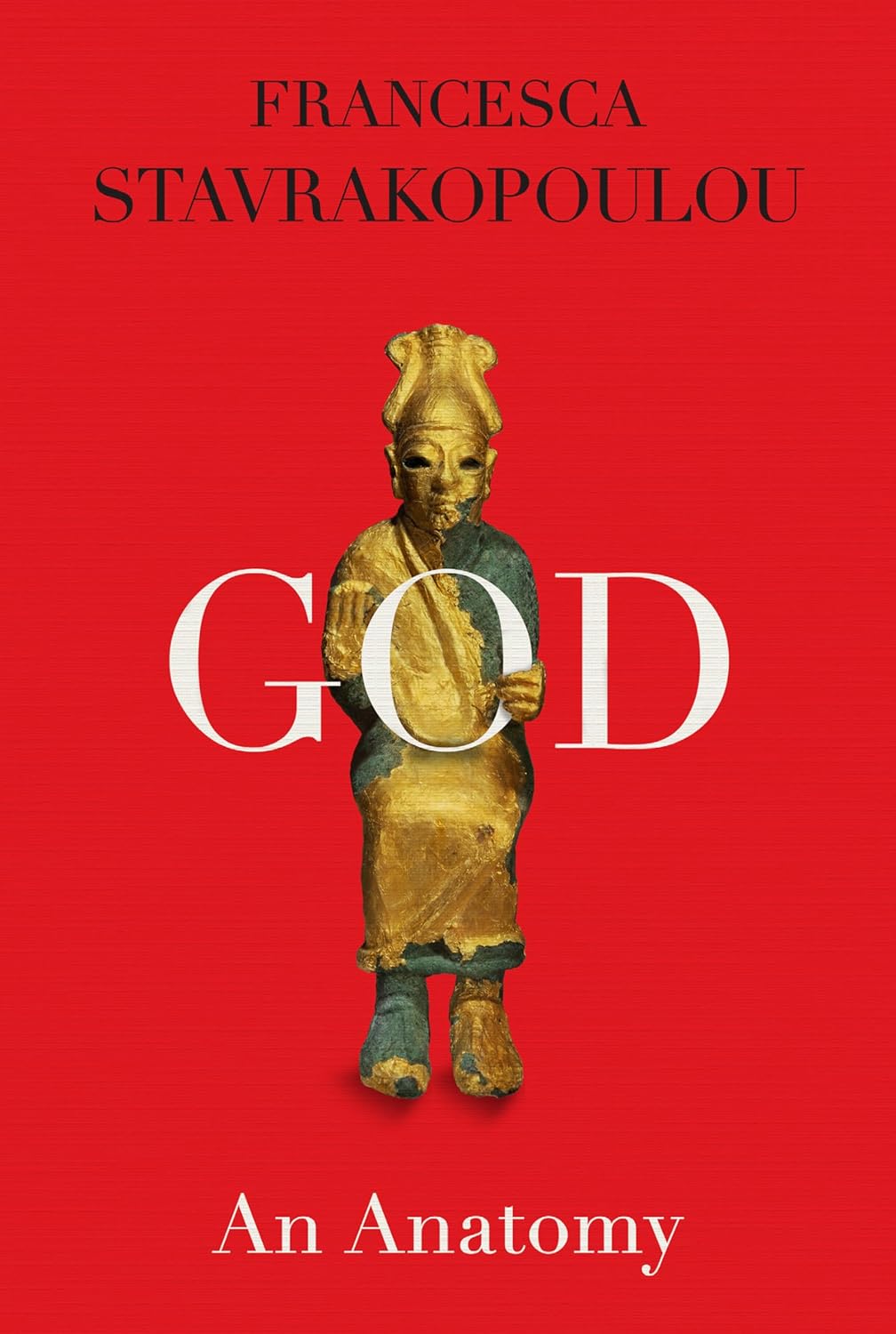
prominent British biblical scholar Dr. Francesca Stavrakopoulou (not Stephanie Stavropoulos), detailed in her book God: An Anatomy. She argues that the original authors of the Hebrew Bible envisioned God (Yahweh) with a tangible, giant, and overtly masculine physical body, interpreting Isaiah 6:1 as a literal presentation of God's lower extremities—including his genitals—filling the temple. [1, 2, 3, 4] The Translation of Shul** (שׁוּ**ל)Traditional Translation: In traditional translations of Isaiah 6:1, the text reads that Isaiah saw God seated on a throne, and "the train of his robe (shul) filled the temple." [1, 2]Stavrakopoulou's Interpretation: She notes that while shul can refer to the hem or skirt of a garment, it is frequently used by biblical prophets as a euphemism or double entendre to deliberately index the groin or genitalia. [1, 2]Prophetic Euphemisms: She connects this to other prophetic texts (such as Jeremiah 13:26 and Nahum 3:5) where exposing someone's shul directly refers to exposing their genitals as an act of sexualized public shaming. Consequently, she translates the passage in Isaiah 6:1 as God's "lower extremities" filling the holy space. [, 2, 3] The Context of the SeraphimStavrakopoulou reinforces this anatomic reading by evaluating the actions of the Seraphim in Isaiah 6:2: [1]The text states the six-winged angels use two wings to cover their faces, and two wings to "cover their feet" (raglayim). [1]In ancient Hebrew, "feet" is a well-documented euphemism for the genitals (seen also in phrases like "water of the feet" for urine, or "covering one's feet" for using the restroom).She asserts that the angels are shielding their own genitalia out of modesty and reverence in the presence of a giant, sexually potent male deity whose own lower anatomy dominates the physical temple. [1, 2] Broader Scholarly and Theological ContextWhile Stavrakopoulou's thesis in God: An Anatomy has drawn a lot of mainstream attention, her perspective sits within a broader spectrum of academic and theological debate: [1, 2, 3]